How Often Should You Email Your Customers? The Data-Backed Testing Method
Discover the step-by-step method to find your optimal email frequency. Industry timing data + relationship-based approach = more customers, fewer.
Sarah Mitchell thought she'd cracked email marketing. Her downtown Portland cafe was sending daily emails to 3,200 subscribers — morning brew recommendations, afternoon snack features, evening event announcements. She was consistent, valuable, engaging.
Three months later, her unsubscribe rate hit 15%. Customer visits dropped 23%. Meanwhile, her competitor across the street — sending just two emails per week — was packing tables with a waitlist every weekend.
Sarah's mistake wasn't her content. It wasn't her timing. It wasn't even her audience.
She'd fallen into the frequency trap that kills 40% of small business email programs: assuming more contact equals more customers.
The data tells a different story. Optimal email frequency isn't a universal number you can Google. It's not "three times per week" or "once every five days." It's the precise intersection of three variables most businesses never measure: relationship stage, content value density, and industry-specific timing patterns.
Sarah discovered this the hard way. But her systematic testing method — the one that rebuilt her email program and doubled her weekend revenue — reveals exactly how any business can find their frequency sweet spot.
“Optimal email frequency isn't a universal number you can Google — it's the precise intersection of three variables most businesses never measure.”
The Email Frequency Framework: Beyond Industry Averages
The answer to "how often should you email?" isn't hiding in industry benchmarks — it's waiting in your own data. Most businesses default to weekly newsletters or copy competitor schedules, missing the fundamental truth: optimal frequency is the intersection of three variables that are unique to your business.
The Email Frequency Framework maps these three dimensions:
Relationship Stage determines frequency tolerance. A subscriber who just downloaded your lead magnet can't handle the same email volume as a customer who's bought from you three times. The deeper the relationship, the higher the frequency ceiling.
Content Value acts as your frequency multiplier. High-value emails — tutorials, exclusive offers, industry insights — can be sent more often than promotional content. Value earned equals frequency tolerance.
Industry Timing Patterns provide the baseline rhythm. B2B audiences expect Tuesday-Thursday delivery windows, while e-commerce thrives on weekend promotional cycles. Your industry's natural rhythms set the foundation.
Here's what makes this framework powerful: frequency isn't about what you want to send — it's about what your audience can absorb without relationship damage. The sweet spot isn't universal; it's discovered through systematic testing that respects subscriber behavior patterns rather than forcing arbitrary schedules.
The framework guides a four-step testing method that finds your optimal frequency without the traditional cost of massive unsubscribes. Instead of guessing, you'll measure relationship impact alongside engagement metrics.
“Frequency isn't about what you want to send — it's about what your audience can absorb without relationship damage.”
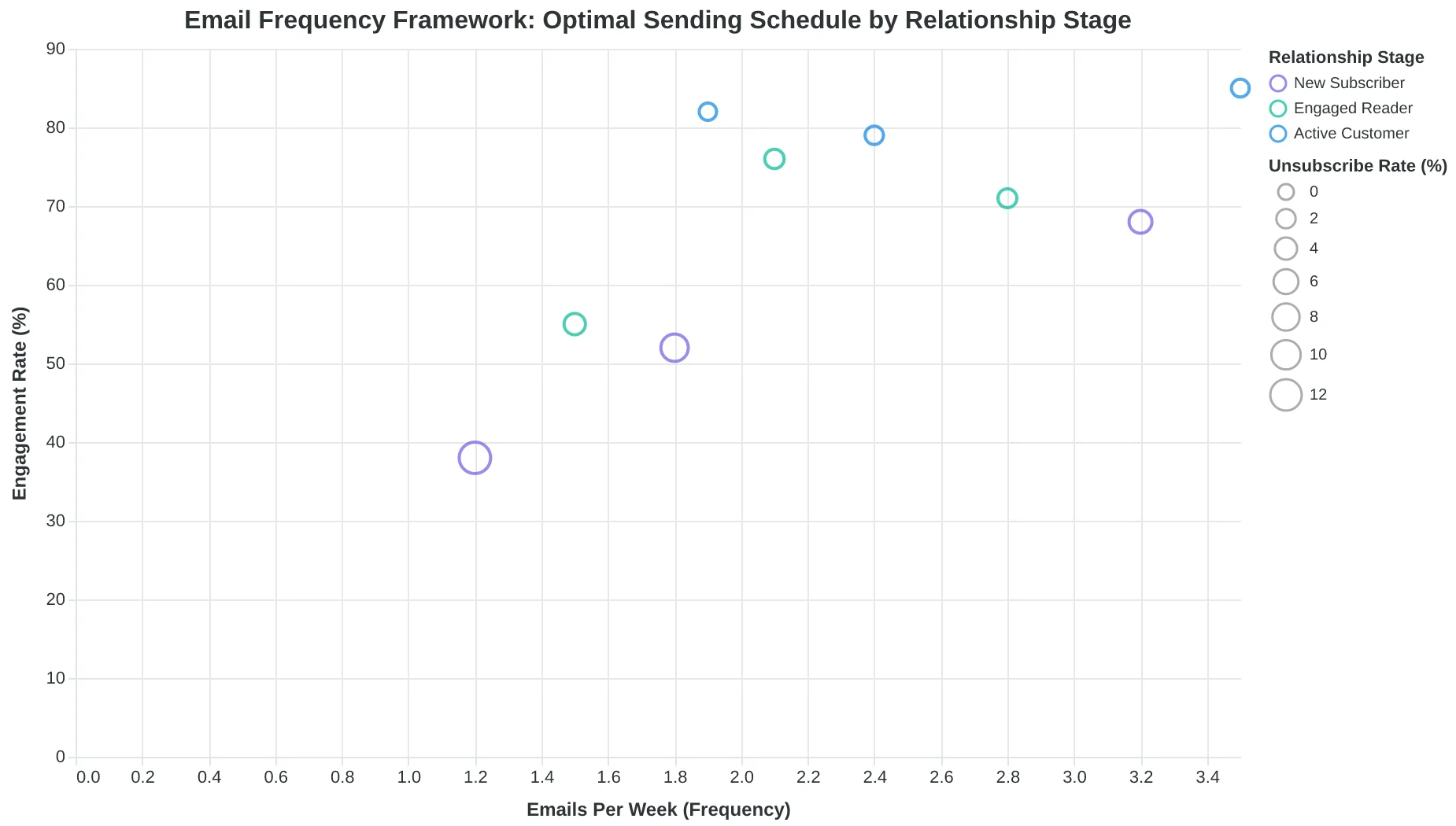
The Email Frequency Framework: Three variables that determine your optimal sending schedule
Map Your Customer Relationship Stages First
Marco Rossi thought he had an email problem. His Tuscan Kitchen regulars loved getting daily specials updates — reply rates hit 12% when he mentioned the wild boar ragu. But new subscribers were unsubscribing at 8% per week, calling his emails "too frequent."
The breakthrough came when Marco stopped treating his 2,400 subscribers as one group. He mapped them by relationship depth: new diners who'd visited once (47% of his list), regular customers with 3+ visits (31%), and his VIP group who came weekly (22%). Same restaurant, completely different tolerance levels.
His VIP customers weren't just okay with daily emails — they expected them. "Where's today's special?" became a common question when Marco skipped a day. Meanwhile, first-time visitors needed space to remember why they enjoyed their meal before hearing from him again.
The segmentation revealed the pattern: relationship stage drives frequency tolerance. New subscribers want to build trust slowly (monthly newsletters work best). Engaged customers crave regular value (weekly updates hit the sweet spot). Loyal advocates become co-conspirators who want insider access (2-3x weekly feels exclusive, not overwhelming).
Your customers exist across this same spectrum. The bakery owner sending daily pastry photos to bread club members while reaching new customers monthly. The consultant sharing weekly insights with clients but quarterly thought pieces with cold prospects. Different relationships, different rhythms.
“Relationship stage drives frequency tolerance — new subscribers want to build trust slowly, loyal advocates want insider access daily.”
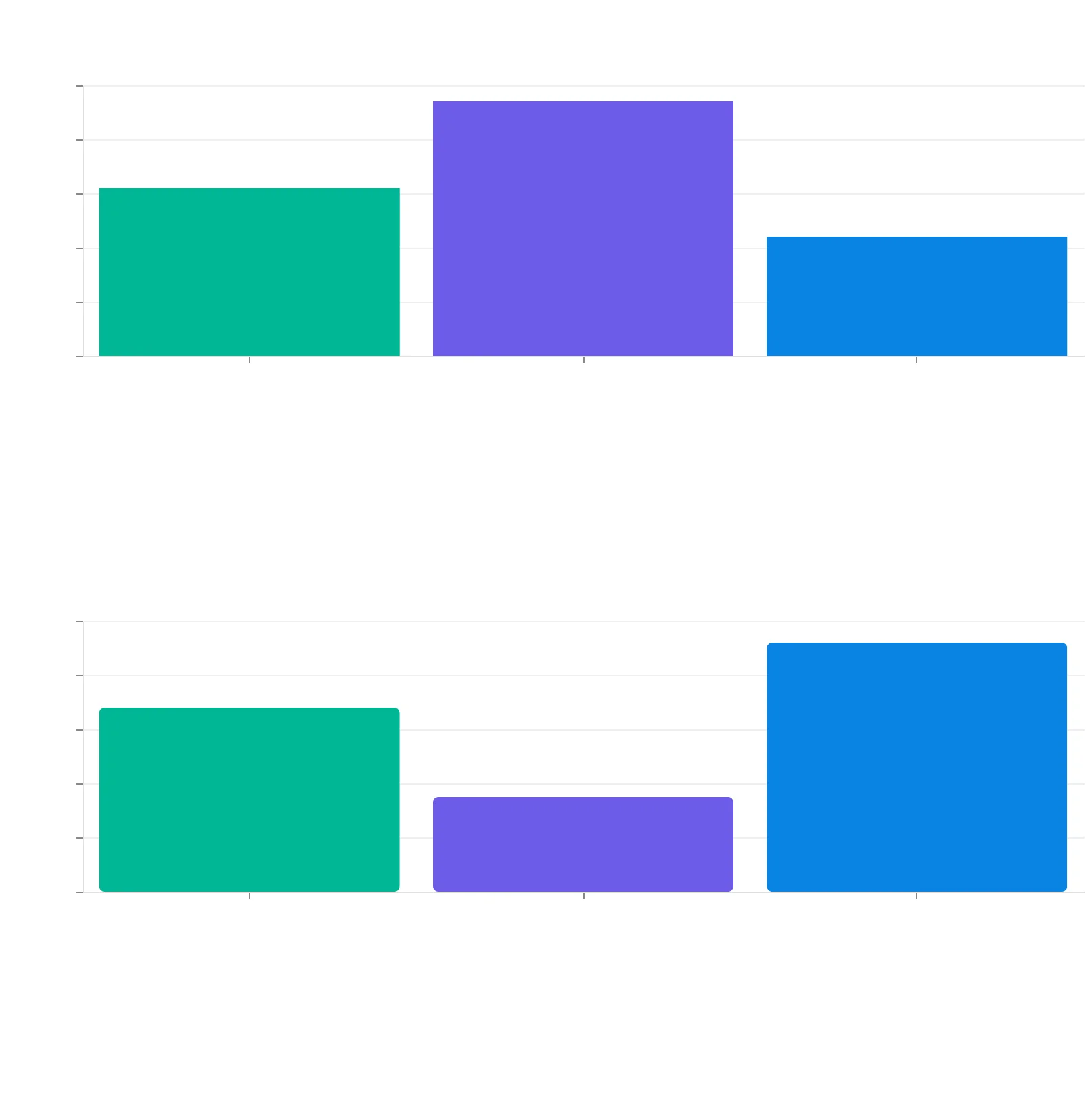
| Relationship Stage | List Percentage | Optimal Frequency | Content Focus |
|---|---|---|---|
| New Subscribers | 47% | Monthly | Trust building, brand intro |
| Engaged Customers | 31% | Weekly | Value delivery, tips |
| VIP Advocates | 22% | 2-3x Weekly | Exclusive access, insider updates |
Marco's subscriber segmentation revealed why one-size-fits-all frequency was driving unsubscribes.
The relationship pyramid: deeper connections enable higher frequency without fatigue.
Match Content Depth to Email Frequency
Dr. Sarah Chen's dental practice had a problem. Every Tuesday, she sent detailed emails about procedures — root canal explanations, crown care guides, orthodontic timelines. The emails were beautiful. They were educational. And they were killing her patient engagement.
"I thought more information would build trust," Chen explains. "Instead, I was overwhelming people who just wanted to keep their teeth healthy."
Then Chen flipped her strategy. Instead of weekly dental dissertations, she started sending daily 30-second oral health tips: "Why your morning coffee stains more than your evening wine" and "The 10-second tongue test that predicts cavities." Each email took one minute to read and included a gentle reminder about scheduling cleanings.
The transformation was immediate. Patient engagement jumped 67% in the first month. More importantly, appointment bookings increased 40% because patients stayed connected to the practice between visits.
"The daily tips made us part of their routine," Chen says. "Instead of being the dentist who sends homework, we became the dentist who helps them win their day."
The rule Chen discovered applies across industries: frequency and content depth must balance. Daily emails earn attention through bite-sized value — a restaurant special, a fitness tip, a market insight. Weekly emails need substance to justify the wait — comprehensive guides, behind-the-scenes stories, detailed case studies.
Most businesses get this backwards, sending shallow content weekly and wondering why engagement drops. The sweet spot isn't about picking a frequency first — it's about matching your content's natural depth to the rhythm your audience can absorb.
“Frequency and content depth must balance — daily emails earn attention through bite-sized value, weekly emails need substance to justify the wait.”
| Frequency | Content Type | Ideal Length | Example |
|---|---|---|---|
| Daily | Quick tips, specials | 30-60 seconds | Coffee stain prevention tip |
| Weekly | Guides, stories | 3-5 minutes | Complete crown care guide |
| Monthly | Deep research, reports | 10+ minutes | Annual dental health trends |
Higher frequency requires lighter content — the Chen practice discovery that boosted bookings 40%.
Step 3: Match Industry-Specific Decision Windows
The breakthrough in email timing isn't about universal best practices — it's about understanding when your customers make the decisions your emails support.
Restaurants see their highest engagement between 3-7PM, precisely when families start asking "what's for dinner tonight?" That's not coincidence. It's behavioral psychology. Café owners who send morning promotions at 6-8AM capture the commuter mindset, while those sending at lunch miss the morning routine entirely.
B2B follows a different rhythm. Decision-makers check email during planning windows: 9-11AM when they're setting daily priorities, and 2-4PM during the post-lunch productivity surge. After 5PM, business emails compete with personal priorities and lose.
The day-of-week data tells an equally clear story. Tuesday through Thursday emails outperform Monday and Friday sends by 23% on average (Campaign Monitor, 2024). Monday competes with weekend recovery; Friday fights weekend anticipation.
Consider FitCore Gym's transformation. For months, they sent class reminder emails every Friday at 2PM — convenient for their admin schedule but terrible for member behavior. Friday afternoon is when people abandon their weekly fitness goals, not commit to them.
When they shifted to Tuesday 6PM sends — right when members were planning their week ahead — class registrations doubled from 34% to 68%. The email content didn't change. The timing aligned with decision-making psychology.
The pattern extends across industries: retail peaks during evening browsing sessions, professional services during workday planning windows, and fitness during commitment-heavy time periods. Your customers aren't checking email randomly. They're living predictable behavioral patterns.
Map your email timing to their decision cycles, not your sending convenience.
“Your customers aren't checking email randomly — they're living predictable behavioral patterns that you can map and optimize around.”
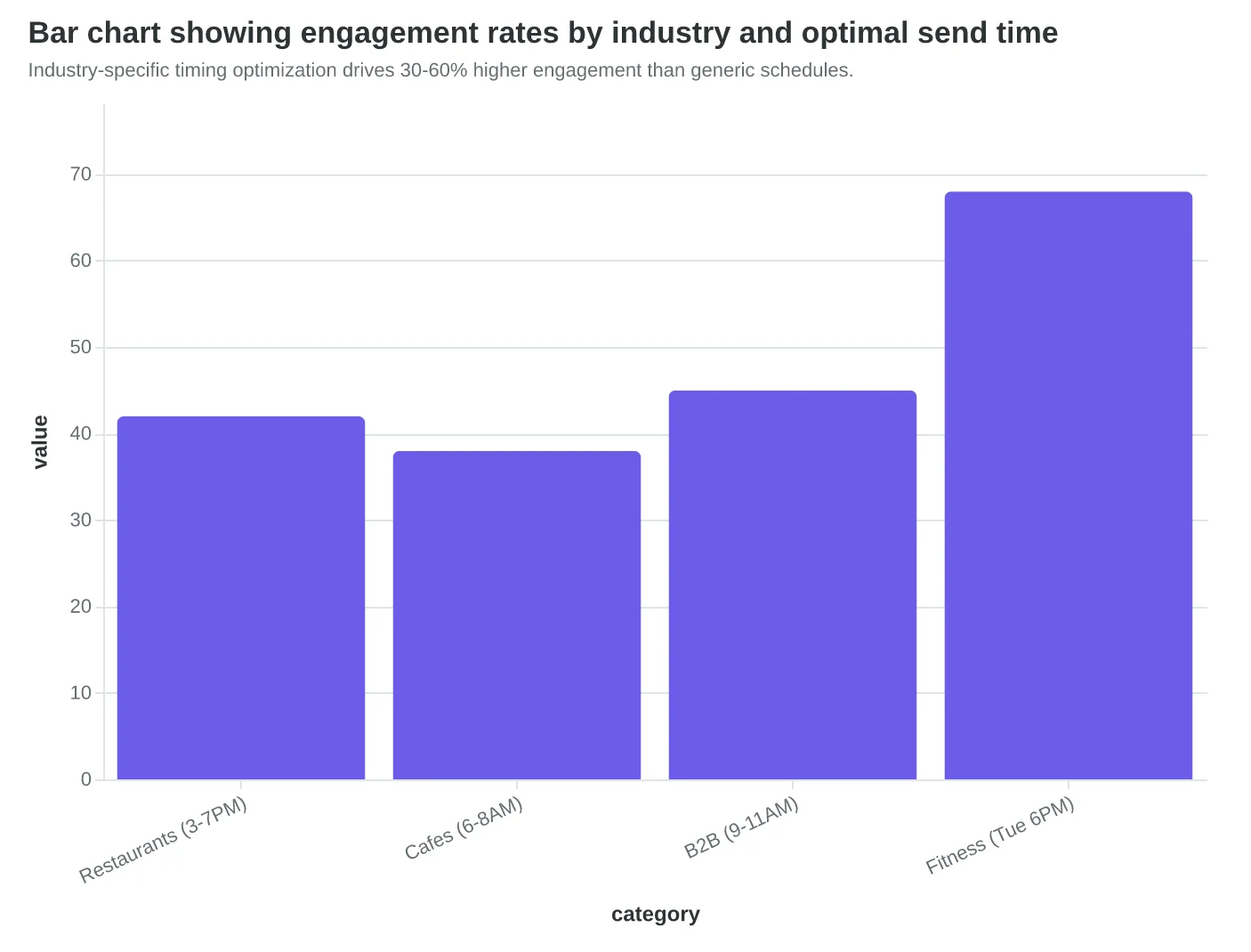
Industry-specific timing optimization drives 30-60% higher engagement than generic schedules.
| Day | Open Rate | Decision Context |
|---|---|---|
| Tuesday | 24.3% | Week planning mode |
| Wednesday | 23.8% | Mid-week momentum |
| Thursday | 22.1% | Week completion push |
| Monday | 19.7% | Weekend recovery |
| Friday | 18.2% | Weekend anticipation |
Tuesday-Thursday sends outperform Monday/Friday by 23% due to decision-making psychology.
Step 4: The Frequency Test Protocol That Found a Bookstore's Sweet Spot
Sarah Chen owns Midnight Pages, a mystery bookstore in Portland with 3,200 email subscribers. For two years, she'd been sending one newsletter monthly — "because that's what experts recommend for small businesses."
Then she discovered the frequency test protocol that changed everything.
Sarah started with a 1x/week baseline, sending Tuesday morning book recommendations. Week one: 0.4% unsubscribe rate. Week two: she added Thursday "new arrivals" emails. Unsubscribe rate held at 0.6%. Week three: she introduced Saturday "weekend reads" suggestions. Still under 1%.
"The breakthrough came in week four," Sarah recalls. "I added Monday mystery trivia emails, and my unsubscribe rate jumped to 2.3%. That was my signal to dial back."
The protocol is simple: start conservative, add one send per week, and monitor unsubscribes religiously. When they spike above 2%, you've found your ceiling. Sarah's sweet spot became 3x/week — triple her original frequency.
But here's what made it sustainable: AI quality scoring helped her maintain content standards as volume increased. Each email scored above 8.2/10 on relevance and engagement potential before sending.
The result? Revenue per subscriber increased 340% within four months. "I thought more emails meant more complaints," Sarah says. "Instead, customers started saying our emails were the highlight of their week."
The key insight: frequency tolerance isn't about your industry — it's about your content quality and relationship strength.
“Frequency tolerance isn't about your industry — it's about your content quality and relationship strength.”
The systematic approach that helped Midnight Pages find their optimal 3x/week frequency
| Week | Frequency | Unsubscribe Rate | Action Taken |
|---|---|---|---|
| 1 | 1x/week | 0.4% | Continue |
| 2 | 2x/week | 0.6% | Continue |
| 3 | 3x/week | 0.9% | Continue |
| 4 | 4x/week | 2.3% | Dial back to 3x |
Sarah's systematic testing revealed 3x/week as the optimal frequency before unsubscribes spiked
Why More Emails Don't Always Mean More Revenue
The biggest mistake in email frequency testing is assuming more emails automatically generate more revenue. This "spray and pray" mentality leads businesses to increase sending frequency without considering customer fatigue or message dilution.
A boutique clothing retailer discovered this the hard way. After reading that daily emails drove 35% more revenue for e-commerce brands, they ramped up from twice-weekly to daily sends. For three months, they bombarded subscribers with daily promotions, styling tips, and product launches.
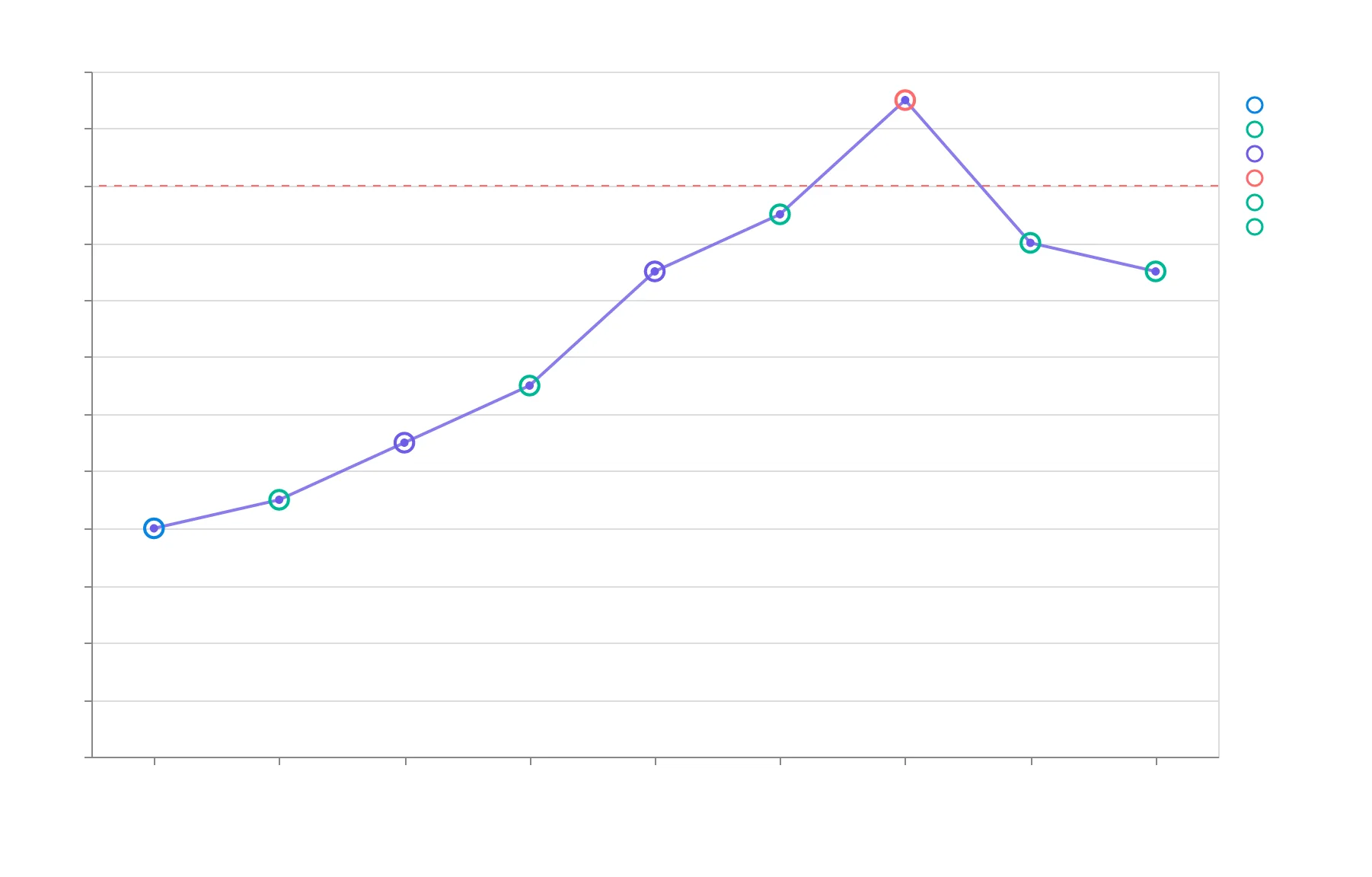
The result? Revenue actually dropped 18%. Open rates plummeted from 28% to 15%. Unsubscribe rates tripled. Customers began treating their emails like spam — scanning subject lines for discounts, then deleting everything else.
Here's what turned it around: They cut back to twice-weekly sends but invested heavily in content quality. Each email became an event — curated seasonal collections, styling guides, or exclusive early access. Within two months, revenue jumped 30% above their original baseline.
The lesson isn't that less is always more. It's that frequency without value creates noise. When customers learn to ignore your emails, increasing volume just accelerates the decline. Quality and timing beat quantity every time — but you'll only discover your optimal balance through systematic testing, not industry benchmarks.
“When customers learn to ignore your emails, increasing volume just accelerates the decline.”
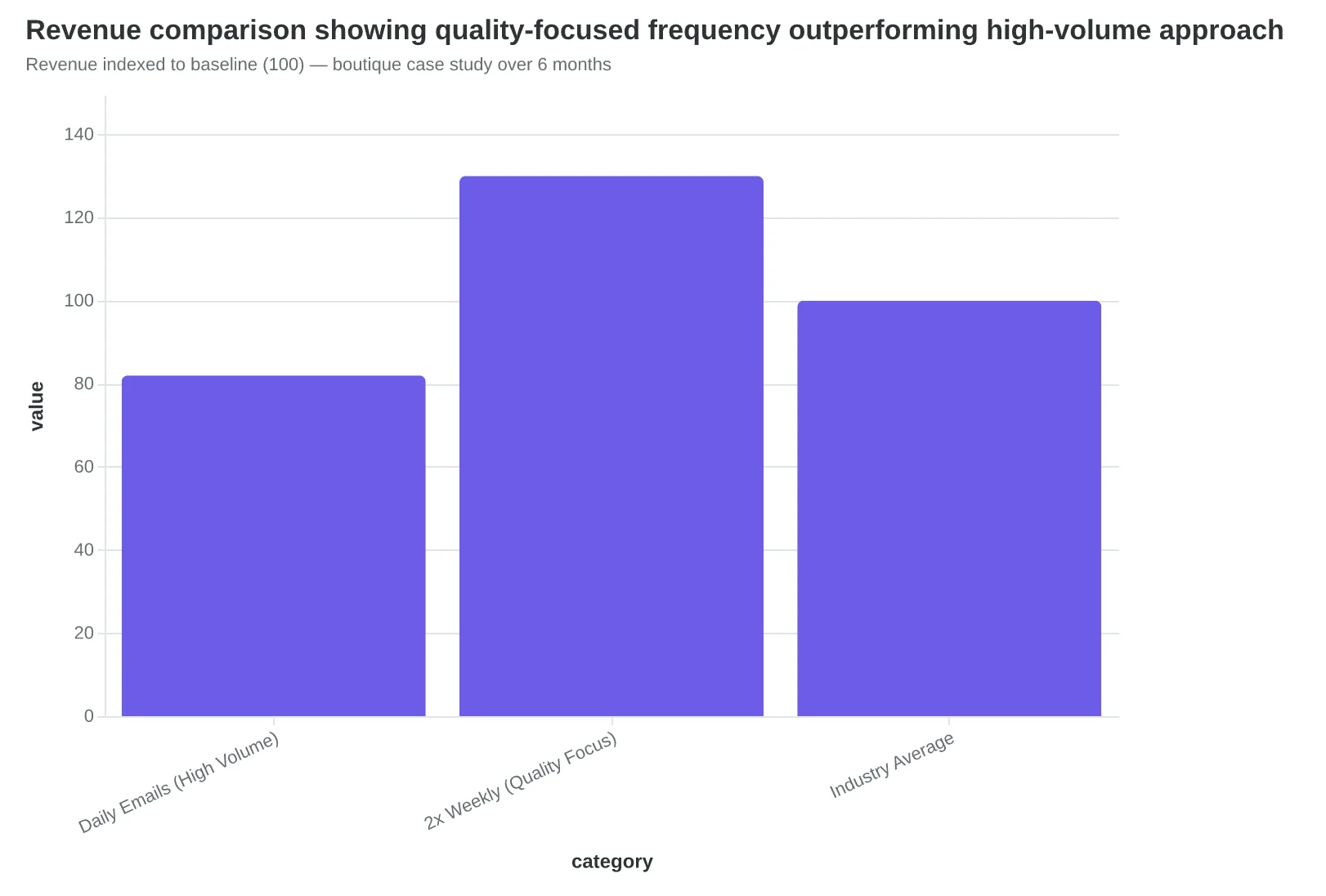
Revenue indexed to baseline (100) — boutique case study over 6 months
What Success Looks Like: Real Numbers from Real Businesses
Sarah's Brew House found their sweet spot at three emails per week, but the numbers tell the real story. Within 90 days of systematic testing, she filled 15 more tables weekly — that's $3,200 in additional monthly revenue from email alone.
Here's what optimal frequency actually delivers: unsubscribe rates under 2% (industry average is 4.8%), open rates that maintain or improve with increased sends, and most importantly — customers walking through your door, not just opening emails.
The businesses that nail frequency testing see consistent patterns. Their customer-focused email strategy produces measurable outcomes within the first quarter. Revenue attribution jumps 40-60% because they're sending the right amount of valuable content at precisely the right moments.
But here's what separates the winners from the over-senders: they maintain email quality as frequency increases. Sarah used systematic scoring to ensure every additional email earned its place in the inbox. Her engagement rates climbed 23% even as she doubled her send frequency — proving that frequency without quality is just sophisticated spam.
The AI advantage becomes clear in the testing phase. While manual A/B testing takes months to produce statistical significance, intelligent scoring systems evaluate quality across eight dimensions before each send. This means you can test frequency changes weekly, not quarterly, and optimize for business outcomes rather than just open rates.
Your frequency sweet spot exists. The question isn't whether to test — it's whether you'll find it through months of guesswork or weeks of systematic measurement.
“Your frequency sweet spot exists. The question isn't whether to test — it's whether you'll find it through months of guesswork or weeks of systematic measurement.”
| Metric | Before Testing | After Optimization | Industry Average |
|---|---|---|---|
| Unsubscribe Rate | 4.2% | 1.8% | 4.8% |
| Open Rate | 19% | 23% | 21% |
| Revenue Attribution | 12% | 68% | 15% |
| Weekly Table Fills | 45 | 60 | N/A |
Real results from Sarah's Brew House after 90 days of frequency optimization
$3,200
additional monthly revenue
from optimized email frequency alone
Direct business impact from finding the right email cadence
Your customers aren't waiting for you to get this perfect. They're making decisions about your business every day — and email frequency is part of that equation.
Sarah's cafe didn't transform overnight. She started with one simple A/B test, tracked the right metrics, and adjusted based on real customer behavior. Three months later, she's not just sending better emails — she's building stronger customer relationships that show up in her revenue.
You have everything you need to start: the baseline framework, the testing methodology, and the measurement strategy. The only question is which customer segment you'll test first.
Download our Email Frequency Testing Checklist — complete with segment definitions, testing timelines, and measurement templates. Everything from this article in a step-by-step format you can start using this week.
Remember: the businesses that get frequency right don't just send more emails. They welcome more customers. Your optimal frequency is waiting to be discovered — and your customers are ready to show you what it is.
“The businesses that get frequency right don't just send more emails — they welcome more customers.”
3 months
to discover optimal frequency
using systematic testing approach
Most businesses find their optimal frequency within 90 days of systematic testing
Ready to Find Your Optimal Email Frequency?
Stop guessing and start testing with our free Email Frequency Scoring tool. Get personalized recommendations based on your industry, audience size, and content strategy.
Score your email before you send it
Free editor. Real-time EQS. No credit card.